
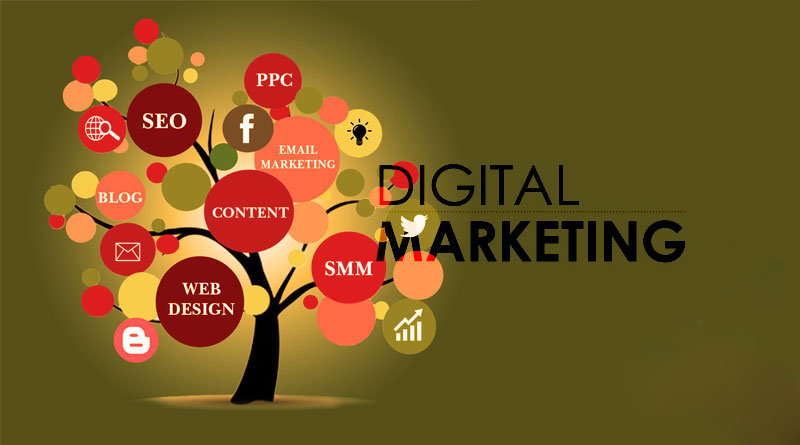
In an online world where every business fights for visibility, having a clear digital marketing plan is the key to staying ahead of the competition. A successful marketing plan helps you understand your audience, choose the right platforms, create content that converts, and measure performance effectively. Whether you’re a small business or a large brand, a well-structured strategy ensures steady growth and real, measurable results.
This guide explains step-by-step how to build a digital marketing plan that actually works.
1. Set Clear and Measurable Goals
Start with defining what success looks like for your business. Your goals should be:
- Specific
- Measurable
- Achievable
- Relevant
- Time-bound (SMART)
Examples:
- Increase website traffic by 50% in 90 days
- Generate 300 leads per month
- Grow Instagram followers from 2,000 to 5,000
- Improve conversion rate from 2% to 5%
Clear goals guide every part of your marketing strategy.
2. Understand Your Target Audience
You must know who you are marketing to. Understanding your audience helps you create more relevant content and select the right platforms.
Identify:
- Age & gender
- Location
- Interests
- Buying patterns
- Problems they want solved
- Social media usage
Build buyer personas to visualize your ideal customers and their needs.
3. Conduct Competitor Research
Competitor analysis shows what works in your industry and helps you avoid mistakes.
Look at competitors’ :
- Websites
- Social media content
- SEO keywords
- Paid ads
- Reviews & ratings
- Engagement levels
Identify gaps and opportunities—this will help you position your brand effectively.
4. Choose the Right Digital Marketing Channels
Not all channels are suitable for every business. Choose platforms based on your audience’s behaviors.
Common channels include:
- Search Engine Optimization (SEO)
- Social Media Marketing (SMM)
- Content Marketing
- Email Marketing
- PPC Advertising (Google Ads, Meta Ads)
- YouTube & Video Marketing
- Influencer Collaborations
A powerful plan combines both organic and paid strategies.
5. Create a Strong Content Strategy
Content is the heart of digital marketing. It builds awareness, trust, and authority.
Types of content you can create:
- Blog articles
- Social media posts
- YouTube videos
- Infographics
- Case studies
- Email newsletters
- eBooks
- Product descriptions
- Reels & Shorts
Keep your content engaging, informative, and consistent with your brand voice.
6. Optimize Everything for SEO
Search engine optimization helps your content appear when people search for your products or services.
Focus on:
- Keyword research
- On-page SEO (titles, headers, meta descriptions)
- Link building
- Website speed
- Mobile-friendly design
- High-quality content
SEO delivers long-term results without continuous ad spending.
7. Leverage Social Media for Engagement
Social media is a powerful tool to build relationships and brand visibility.
Tips:
- Post consistently
- Use high-quality images & videos
- Engage with followers
- Use hashtags strategically
- Run targeted ads
- Share customer testimonials
- Create polls, quizzes, and interactive content
Choose platforms like Instagram, Facebook, LinkedIn, or YouTube based on your niche.
8. Create a Paid Advertising Strategy
Paid ads accelerate growth and bring fast results.
Use:
- Google Search Ads
- Facebook & Instagram Ads
- YouTube video ads
- LinkedIn ads (for B2B)
Set a budget, choose your audience, and test different creatives. Always monitor performance to avoid wasting money.
9. Track, Measure, and Analyze Results
Data is essential for improving your marketing plan.
Tools you can use:
- Google Analytics
- Google Search Console
- Meta Business Suite
- Email marketing dashboards
- SEMrush or Ahrefs
Measure KPIs like:
- Traffic
- Conversions
- Engagement
- ROI
- Lead quality
The more data you analyze, the better decisions you can make.
10. Continuously Improve Your Strategy
Digital marketing isn’t a “set it and forget it” process. You must adjust your strategy regularly based on performance.
Improve by:
- Updating underperforming content
- Testing new ad creatives
- Refining your audience targeting
- Trying new platforms
- Following market trends
Consistency + optimization = sustained growth.
Conclusion
A digital marketing plan that delivers results is built on strategy, clarity, and continuous improvement. When you understand your audience, create valuable content, choose the right platforms, optimize for SEO, and measure performance, you build a strong online presence that drives long-term success.
Whether you’re building a brand or scaling a business, a well-designed digital marketing plan is your roadmap to growth, visibility, and sales.