
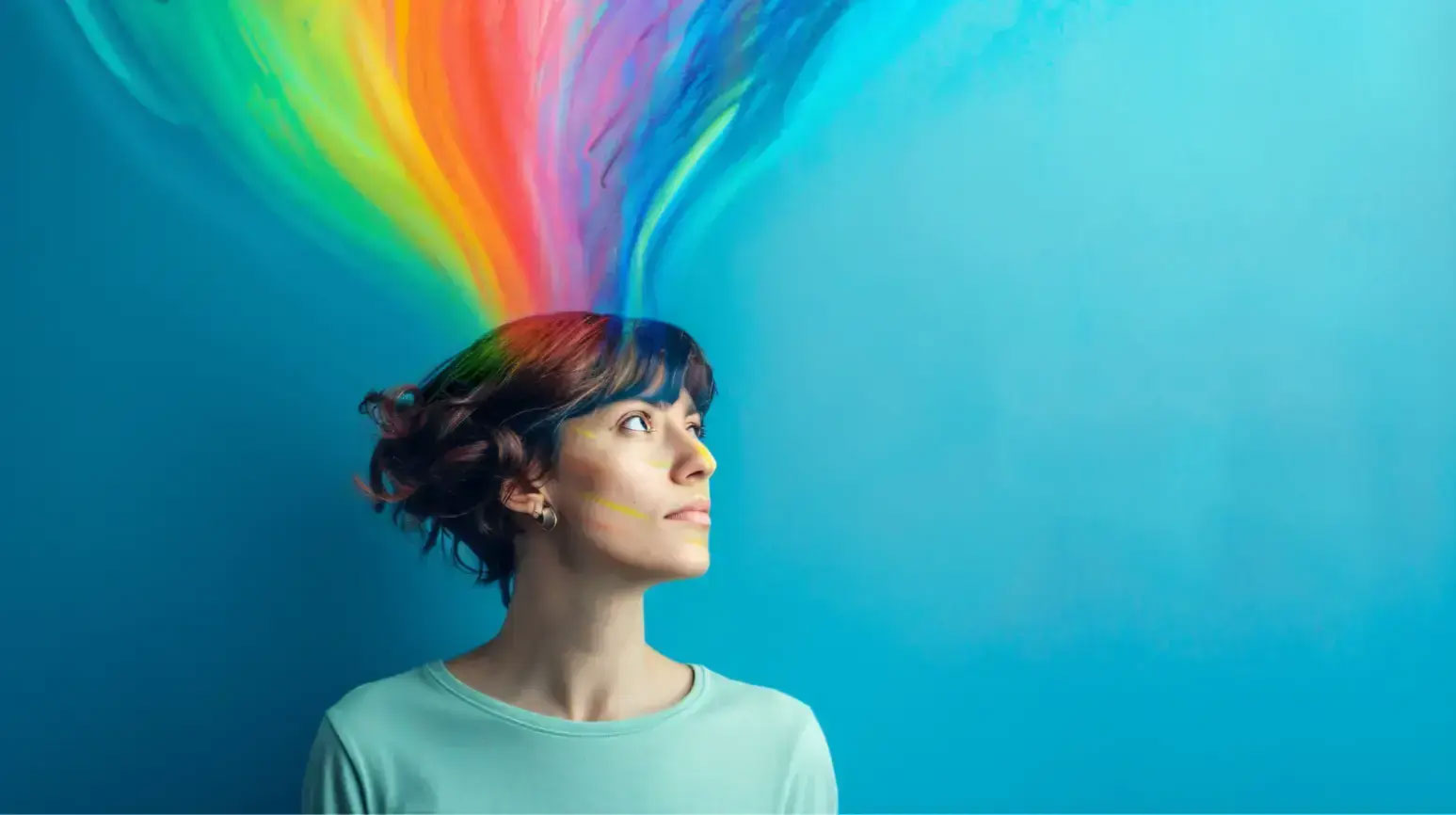
Color is one of the most powerful visual tools in web design. It influences how users feel, behave, and interact with your website — often within seconds. Whether you want to build trust, create excitement, boost conversions, or convey professionalism, the colors you choose play a vital role.
Understanding the psychology of colors helps designers create websites that are not only visually appealing but also emotionally engaging and strategically effective.
Why Color Psychology Matters in Web Design
Color affects user perception and decision-making. Studies show that up to 90% of first impressions are based on color alone. In web design, this means:
-
Color can guide users to take specific actions
-
Colors impact brand recognition and identity
-
The right palette increases engagement and time spent on site
-
Colors influence emotions, trust, and buying decisions
A website with thoughtfully chosen colors communicates the brand message more effectively.
What Different Colors Mean in Web Design
Below are common colors used in web design and the emotions they typically evoke:
1. Blue – Trust, Confidence, Professionalism
Blue is the most widely used color in corporate and tech websites. It gives a sense of:
-
Security
-
Reliability
-
Calmness
-
Intelligence
Popular in: Finance, healthcare, IT, SaaS platforms.
2. Red – Energy, Excitement, Urgency
Red naturally grabs attention and creates a sense of urgency. It stimulates strong emotions.
-
Passion
-
Power
-
Speed
-
Alertness
Popular in: E-commerce (sale buttons), entertainment, sports brands.
3. Green – Growth, Health, Harmony
Green feels natural and balanced. It is associated with:
-
Wellness
-
Eco-friendliness
-
Prosperity
-
Relaxation
Popular in: Organic brands, environmental websites, finance.
4. Yellow – Optimism, Creativity, Happiness
Yellow brings warmth and positivity but should be used carefully, as too much can be overwhelming.
-
Cheerfulness
-
Innovation
-
Youthfulness
Popular in: Kid-friendly brands, creative agencies, travel.
5. Orange – Action, Enthusiasm, Friendliness
Orange combines the energy of red and the cheerfulness of yellow. It signals:
-
Encouragement
-
Fun
-
Confidence
Popular in: Startups, e-learning platforms, calls-to-action.
6. Purple – Luxury, Imagination, Spirituality
Purple has a premium feel and is linked with:
-
Royalty
-
Creativity
-
Wisdom
Popular in: Beauty, fashion, luxury brands.
7. Black – Power, Elegance, Sophistication
Black adds a modern, bold touch. It communicates:
-
Luxury
-
Authority
-
Minimalism
Popular in: High-end brands, tech, photography portfolios.
8. White – Cleanliness, Simplicity, Clarity
White offers space and balance, making content more readable.
-
Purity
-
Freshness
-
Minimalism
Popular in: Corporate sites, health, lifestyle blogs.
How to Choose the Right Color Palette for Your Website
To use color psychology effectively, follow these steps:
1. Understand Your Brand Identity
Your colors must reflect your brand’s personality:
-
Is your brand energetic or calm?
-
Formal or playful?
-
Luxury or budget-friendly?
2. Know Your Target Audience
Different colors appeal to different demographics:
-
Younger audiences prefer bold, vibrant colors
-
Older users respond better to calm, soft palettes
-
Cultural backgrounds also influence color perception
3. Use Contrast for Better UX
High contrast improves:
-
Readability
-
Accessibility
-
Navigation
-
Conversion rates
Example: A bold CTA button against a neutral background.
4. Stick to a Consistent Color Scheme
A typical structure includes:
-
Primary color: Represents your brand
-
Secondary colors: Support visuals
-
Accent color: Used for buttons, highlights
-
Neutral colors: For backgrounds and text
Consistency builds brand recognition.
Examples of Effective Color Use in Web Design
-
Facebook, LinkedIn: Blue for trust and professionalism
-
McDonald’s, IKEA: Yellow for cheerfulness and approachability
-
Spotify: Green for creativity and growth
-
Apple: Black and white for premium minimalism
These brands use color psychology intentionally — and effectively.
Final Thoughts
Color is more than a design choice — it’s a psychological tool that shapes how users perceive and experience your website. By understanding the emotional impact of each color and building a well-planned palette, you can create a website that not only looks beautiful but also communicates your brand message clearly and boosts conversions.