
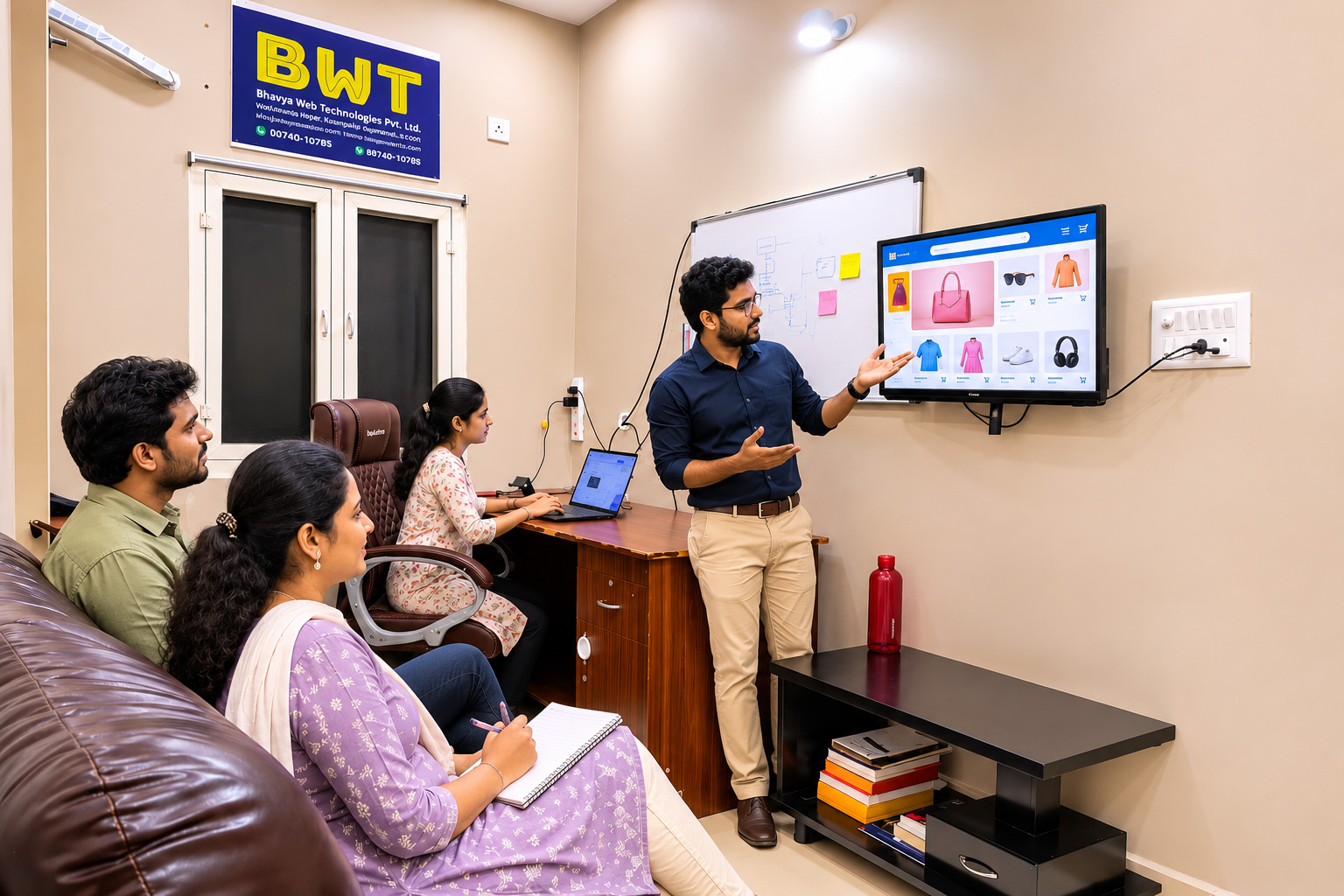
Starting an online business requires more than adding products to a website. Customers expect a smooth shopping experience, clear product information, convenient payment options and reliable order management. For businesses planning to sell online, choosing the right ecommerce platform and development partner can influence how effectively their store operates and grows.
Shopify has become a popular ecommerce platform for businesses looking to establish and manage online stores. Its store management capabilities, themes, app ecosystem and ecommerce tools allow brands to build digital storefronts around their products and business requirements.
However, creating a successful Shopify store involves more than selecting a theme and uploading product images. It requires thoughtful planning, responsive design, product catalogue organisation, payment configuration, shipping setup, integrations and conversion-focused development.
A professional Shopify store development company can help businesses bring these elements together into a functional, customer-friendly ecommerce experience.
At Bhavya Web Technologies, Shopify development is part of a broader ecommerce and conversion systems offering, covering bespoke Shopify themes, custom app integrations and storefront architecture for growing brands.
What Is Shopify Store Development?
Shopify store development is the process of planning, designing, building and configuring an online shopping platform using Shopify. It involves creating the storefront customers interact with and setting up the systems required to manage products, orders, payments and store operations.
The exact requirements depend on the products being sold, the target audience, the operational workflow and the expected scale of the business.
Why Businesses Choose Shopify for Ecommerce
An ecommerce platform should make it easier to manage daily operations while providing customers with a convenient shopping experience. Shopify offers several capabilities that make it suitable for different types of online businesses.
1. Store Management in One Platform
Shopify provides a central environment for managing products, collections, orders and other essential store activities. Business owners can organise their catalogue, review orders and manage important store settings through its administration interface.
This helps businesses maintain an organised ecommerce operation without building every management feature from scratch.
2. Flexible Storefront Design
A Shopify storefront represents the brand’s identity. Businesses can use themes and custom development to create layouts that reflect their products, visual style and customer expectations.
Customisation may include homepage sections, navigation, product page layouts, promotional banners, collection pages and other shopping elements.
3. Mobile-Friendly Shopping Experiences
Many customers discover and purchase products using smartphones. A mobile-friendly store should provide readable product information, convenient navigation, accessible buttons and a smooth checkout experience.
Responsive Shopify development helps ensure that customers can browse and interact with the store across different screen sizes.
4. Ecommerce App Integrations
Shopify’s app ecosystem allows businesses to extend store functionality. Depending on requirements, integrations can support marketing, customer communication, inventory management, reviews, shipping, analytics and other business processes.
The right integrations should solve genuine operational needs without adding unnecessary complexity.
5. Support for Business Expansion
As a business grows, its ecommerce requirements may change. It may introduce new product categories, expand into additional markets, connect external systems or improve its shopping experience.
A well-planned Shopify implementation can provide a foundation for these changes while keeping the storefront manageable.
Essential Features of a Professionally Developed Shopify Store
A successful online store should make product discovery and purchasing straightforward. The following features deserve attention during development.
Custom Shopify Store Design
 A clear homepage structure.
The objective is to make the shopping experience intuitive while presenting the brand professionally.
Product and Collection Management
Product organisation affects how customers explore an online store. A confusing catalogue can make it difficult for shoppers to find relevant items.
A structured Shopify catalogue should include descriptive product titles, useful descriptions, clear images, pricing information, product variants and appropriate collections.
For larger catalogues, filters and sorting options can help customers narrow their choices.
Secure Payment Gateway Integration
A convenient payment process is essential for ecommerce transactions. Payment configuration should reflect the markets in which the business operates and the payment methods its customers prefer.
Depending on the business and supported providers, payment options may include cards, UPI, net banking, digital wallets and international payment methods.
The implementation should be tested carefully to confirm that customers can complete transactions and receive the appropriate order confirmation.
Shipping and Order Management
Shipping settings influence both customer expectations and daily store operations. Businesses should configure shipping zones, delivery rates, order notifications and fulfilment processes according to their logistics arrangements.
Clear delivery information helps customers understand what to expect after placing an order.
Search Engine Optimisation
An ecommerce website needs a strong foundation for search visibility. Shopify store development should consider technical structure and on-page optimisation from the beginning.
Important SEO elements include:
SEO is an ongoing activity. Publishing useful content, improving product information and monitoring search performance can support long-term organic visibility.
Conversion-Focused Checkout Experience
Customers may abandon their shopping journey when checkout is confusing or requires unnecessary effort. A well-configured checkout should make the purchasing process clear and convenient.
Businesses should review the information requested, available payment methods, delivery details, trust signals and error messages. Checkout functionality should also be tested on mobile devices.
Our Shopify Store Development Process
A structured development process helps align technical decisions with business requirements.
Step 1: Business Discovery and Requirement Planning
The project begins with understanding the business model, products, target audience and ecommerce objectives.
The planning stage identifies catalogue size, product variations, payment requirements, shipping workflows, integrations and expected functionality.
Step 2: Store Architecture and User Experience
The next stage focuses on organising the storefront. This includes planning navigation, product categories, collection pages, customer journeys and important website sections.
A clear structure helps customers find products without unnecessary navigation.
Step 3: Shopify Design and Development
The storefront is designed and developed based on the approved requirements. This may involve theme customisation, bespoke Liquid development, responsive layouts and custom functionality.
The development approach should balance visual quality, usability, maintainability and performance.
Step 4: Integrations and Store Configuration
Required services and applications are configured to support the business workflow. This may include payment gateways, shipping tools, inventory systems, analytics and marketing applications.
Only relevant integrations should be implemented to avoid unnecessary technical complexity.
Step 5: Testing and Quality Assurance
Before launch, the store should undergo functional and visual testing.
The testing process can cover:
Step 6: Store Launch and Continuous Improvement
After testing and approval, the store can be prepared for launch. Post-launch monitoring helps identify technical issues and opportunities to improve the customer experience.
Businesses may continue refining product pages, navigation, marketing integrations and conversion performance as customer behaviour becomes clearer.
Shopify Store Development for Different Business Types
Different businesses require different ecommerce features. A store should be designed around its products, customers and operating model.
Fashion and apparel brands: Clothing stores may require size and colour variants, product galleries, collection filters and clear product photography.
Beauty and personal care businesses: These stores may benefit from ingredient information, product categories, usage instructions, customer reviews and subscription options where appropriate.
Electronics retailers: Electronics stores often need detailed specifications, comparison information, product variations and warranty details.
Food and lifestyle brands: These businesses may require clear product descriptions, delivery information, category organisation and promotional features.
B2B and wholesale businesses: Business-focused ecommerce stores may require customer-specific pricing, bulk ordering workflows, quotation requests and integrations with business systems.
The right functionality should be determined during project planning rather than adding features without a clear purpose.
How to Choose the Right Shopify Store Development Company
Choosing a development partner is an important step in an ecommerce project. Businesses should evaluate technical capability, communication and the development process before committing.
Review Shopify Development Experience
Ask about the team’s experience with Shopify themes, Liquid development, customisation and app integrations. Confirm that its capabilities match the complexity of your project.
Understand the Design Approach
A store should reflect your brand and provide a clear shopping journey. Review design examples and discuss how the team will approach mobile layouts, product pages and navigation.
Discuss Integration Requirements
Identify the systems your business needs to connect. These may include payment providers, shipping services, inventory platforms, CRM tools and analytics applications.
Evaluate Testing and Support
Ask how the store will be tested before launch and what support is available afterward. A clear handover and maintenance process can make ongoing store management easier.
Check Communication and Project Scope
The development proposal should define the expected features, deliverables, responsibilities and project milestones. Clear communication helps avoid misunderstandings during development.
Why Consider Bhavya Web Technologies for Shopify Development?
Bhavya Web Technologies provides ecommerce development solutions across Shopify, WooCommerce and custom headless commerce architectures. Its ecommerce offering includes bespoke Shopify themes, custom app integrations, conversion optimisation and payment gateway integration.
The company approaches ecommerce development with attention to storefront usability, catalogue structure, checkout experience and technical scalability.
Businesses can explore solutions such as:
By combining design and engineering considerations, Bhavya Web Technologies aims to build ecommerce experiences around each business’s operational requirements and customer journey.
Explore the eCommerce and Conversion Systems service to learn more about the available solutions.
Conclusion
Building an effective ecommerce store requires the right combination of platform configuration, design, functionality and customer experience. Shopify provides businesses with a flexible environment for launching and managing online stores, but the quality of implementation plays an important role in how customers interact with the storefront.
A professional Shopify store development company can help transform business requirements into a well-organised ecommerce platform with custom design, useful integrations, convenient checkout and room for future development.
Whether you are launching a new online business or planning to improve an existing store, start with a clear understanding of your products, customers and operational needs.
Bhavya Web Technologies helps businesses plan and develop ecommerce solutions designed around their digital commerce objectives.
Call to Action
Planning to launch your Shopify store?
Connect with Bhavya Web Technologies to discuss your ecommerce requirements and explore a Shopify development solution aligned with your business goals.
Website: https://bhavyawebtech.com/
Call / WhatsApp: +91-80740 10785
Location: Rd Number 28, Vivekananda Nagar, Kukatpally, Hyderabad, Telangana – 500072.
Let’s build an ecommerce experience that gives your customers a better way to shop.
FAQs
1. What does a Shopify store development company do?
A Shopify store development company plans, designs, develops and configures online stores using Shopify. Services may include custom theme development, product setup, payment integration, shipping configuration, app integrations and testing.
2. How much does Shopify store development cost?
The cost depends on design requirements, catalogue size, custom functionality, integrations and project complexity. A basic store generally requires a different investment from a highly customised ecommerce platform.
3. Can Shopify stores be customised?
Yes. Shopify stores can be customised through theme settings, Liquid development, custom sections, apps and integrations. The level of customisation depends on the store’s requirements and technical approach.
4. Is Shopify suitable for small and growing businesses?
Shopify can support businesses at different stages, from new online stores to expanding ecommerce brands. The appropriate plan and implementation depend on business requirements, expected operations and budget.
5. Does Shopify support payment gateway integration?
Shopify supports payment options through available payment providers. The providers and payment methods available depend on the business’s country, eligibility and configuration.